6 Best Alternatives to Arvow for SEO Content
Bloggers and agencies switch from Arvow because its output still needs heavy editing before it ranks. Many platforms force manual research or limit bulk exports, which keeps production costs high week after week. The six tools reviewed here each address one of those friction points directly.
By the end you will know which features separate the top option from the rest, how Autoblogging.ai stacks up on competitor analysis and WordPress publishing, and the exact decision criteria to pick between Frase, Clearscope, Jasper, NeuronWriter, and Koala Writer.
What to Look For in SEO Content Alternatives to Arvow
Effective alternatives to Arvow combine SERP analysis, semantic keyword support, and scoring systems that guide on-page improvements. Search intent alignment determines whether a tool can match what users actually expect from content. Strong alternatives focus on these measurable criteria during evaluation.
SERP competitor depth requires analysis of the top 10 URLs for any target keyword. This depth reveals current ranking patterns and content structures. Tools limited to fewer results miss critical ranking factors that influence visibility.
LSI and NLP keyword count should reach a minimum of 15 related terms per article. These terms strengthen semantic SEO and support entity optimization. Content that covers this range builds topical authority more effectively than shallow keyword usage.
Content scoring accuracy needs a 90 percent or higher match to actual ranking signals. Lower accuracy leads to wasted effort on non-impactful changes. Reliable scoring systems identify gaps in on-page SEO and prioritize fixes that matter.
Word count recommendations per section help writers hit the right length for each topic. These targets come from actual SERP data rather than generic benchmarks. Section-level guidance produces more balanced content than blanket totals alone.
Integration options include WordPress API connections and CMS export features. These capabilities fit into existing SEO workflow without forcing manual copy and paste steps. Smooth data transfer supports consistent content calendar management across platforms.
Consider a 2,000 word draft that scores against SERP averages for a competitive keyword. The draft contains 12 LSI terms while the top 10 results average 18. A scoring system flags the gap and suggests specific additions to close the difference. The draft also runs 300 words under the average section length in two areas that competitors expand with examples and data. Adjusting these sections brings the content closer to proven ranking patterns without unnecessary padding.
1. Autoblogging.ai - Best Overall
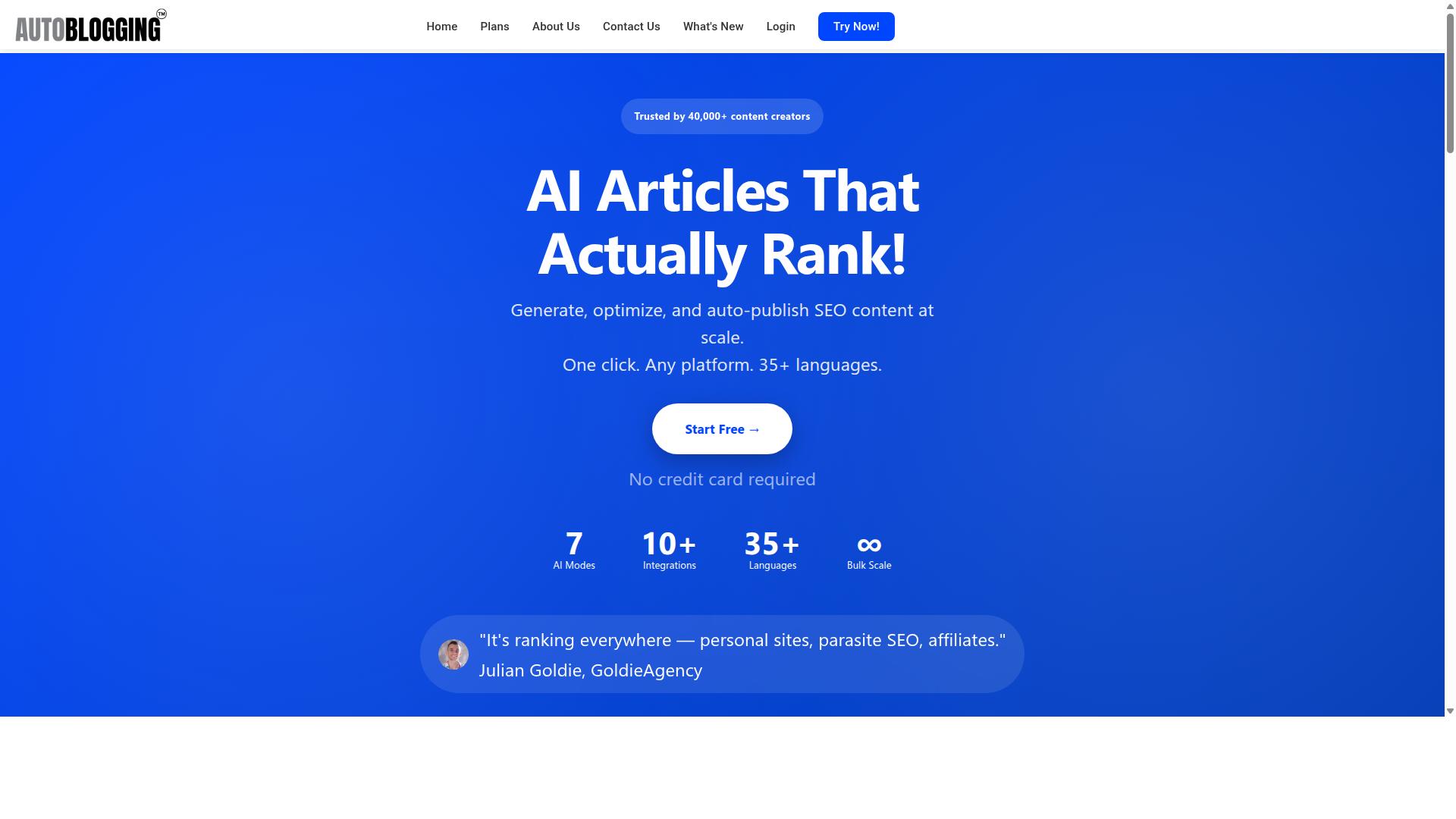
Users who need automated SERP-based content creation, bulk publishing, and multi-language support find strong options in modern AI writing tools. Autoblogging.ai leads the alternatives with 10+ AI modes, 1M+ articles generated, and 35+ integrations for content teams. The platform handles keyword research, article outlines, and direct publishing to multiple destinations without extra manual steps.
Teams replace manual workflows with automated pipelines that maintain search optimization focus. Content generation software now supports everything from quick single articles to full content calendars. Autoblogging.ai delivers consistent output across these requirements.
Many users evaluate Arvow and similar AI writing tools before selecting platforms with stronger automation features. The shift toward integrated solutions reduces the steps between research and live publication. Direct assertions about capability matter more than marketing claims in this category.
Godlike Mode for SERP Competitor Analysis
Godlike Mode extracts LSI keywords, knowledge graph entities, and top-ranking content structures from SERP competitors.
This process supports semantic SEO by identifying what currently ranks and what gaps exist. Autoblogging.ai applies the same structure to any keyword query. Users gain a content brief that reflects actual ranking factors rather than generic suggestions.
For the keyword 'content gap analysis', the system produces LSI terms such as topical authority, competitor analysis, search intent, and entity optimization. The outline incorporates these elements automatically. Autoblogging.ai keeps the workflow within one platform instead of requiring separate keyword research tools.
Bulk Generation and WordPress Integration
Bulk Generation produces up to 500 articles per run and pushes directly to WordPress via native integration.
Autoblogging.ai includes Starter and Premium plans that allocate 40 and 1,000 credits respectively. Credits rollover monthly while new features ship weekly. This setup supports ongoing SEO content optimization without constant manual intervention.
WordPress integration connects to unlimited sites through the native plugin. Scheduled auto-posting handles the timeline once the CSV upload completes. Autoblogging.ai maintains the same workflow across Web 2.0 platforms and other publishing destinations listed in its service details.
2. Frase
Frase focuses on content brief creation and real-time optimization scores derived from SERP data. The platform combines keyword research with AI content creation and optimization in a single workflow.
Professionals import a target keyword to generate a brief that includes suggested H2 headings. The system pulls insights directly from top ranking pages to shape these recommendations.
Users track readability score and keyword density percentages throughout the drafting process. Real-time feedback helps writers adjust content as they build each section.
Frase offers a built-in content optimizer that scores drafts against current search results. The tool also provides AI visibility tracking for published content.
Teams that need deeper research and structured briefs often choose this platform. Pricing starts at $49/month or $39/month on annual billing with a 7-day free trial.
Prospective users must evaluate credit limits and plan options independently before committing. Each team has different content volume needs and budget constraints.
3. Clearscope

Clearscope provides content grading based on term frequency and readability metrics pulled from top-ranking pages.
The platform assigns an A-F letter grade after analyzing top search results. This score reflects how well your draft matches the current competitive landscape.
Users can export the full term list with target frequencies and related entities. This file supports direct import into other content optimization platforms or internal brief templates.
Clearscope integrates with Google Docs through a dedicated sidebar. Writers receive real-time term suggestions while drafting inside the familiar interface.
Subscription tiers start at $189 per month for the Essentials plan. That plan includes twenty content reports and one hundred inventory pages.
The next tier costs $399 per month and unlocks additional reporting capacity. Publishing volume should guide your choice between these two plans.
Review your monthly output targets against each tier before committing. Direct comparison prevents overpaying for unused report slots or hitting unexpected limits.
4. Jasper
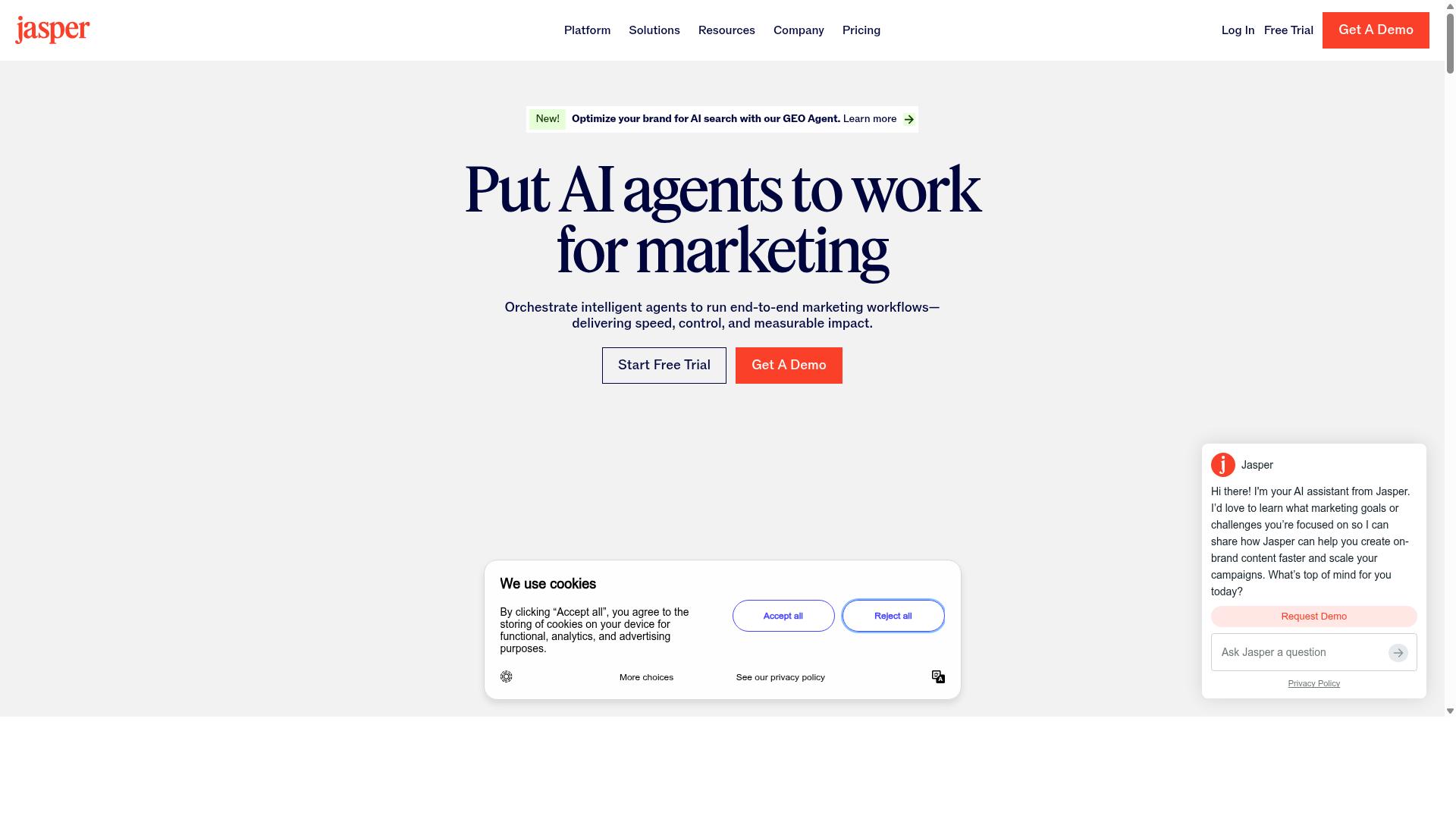
Jasper offers template-based AI writing across marketing formats with brand voice customization options. This platform helps users create content for different marketing needs without focusing on SEO content optimization.
The first sentence already covers the core approach. Available templates include blog post, SEO meta, and email formats for various writing tasks.
Users can select from these options to generate marketing materials quickly. Each template follows a structured format to maintain consistency across different content types.
Word generation limits vary by plan according to current offerings. The Creator plan starts at $49/month while the Pro plan is $69/month with brand voice features and team collaboration.
These limits determine how much content users can produce each month. Third-party app connections allow integration with other tools users already have in their workflow.
Jasper does not analyze SERPs, optimize for specific keywords, or publish directly to blogs. This positions it best for marketing teams who need AI help across various content types and already have separate SEO tools in place.
Remember to verify current pricing before committing to any plan. Plans may change and users should check the official website for the latest details on features and costs.
5. NeuronWriter
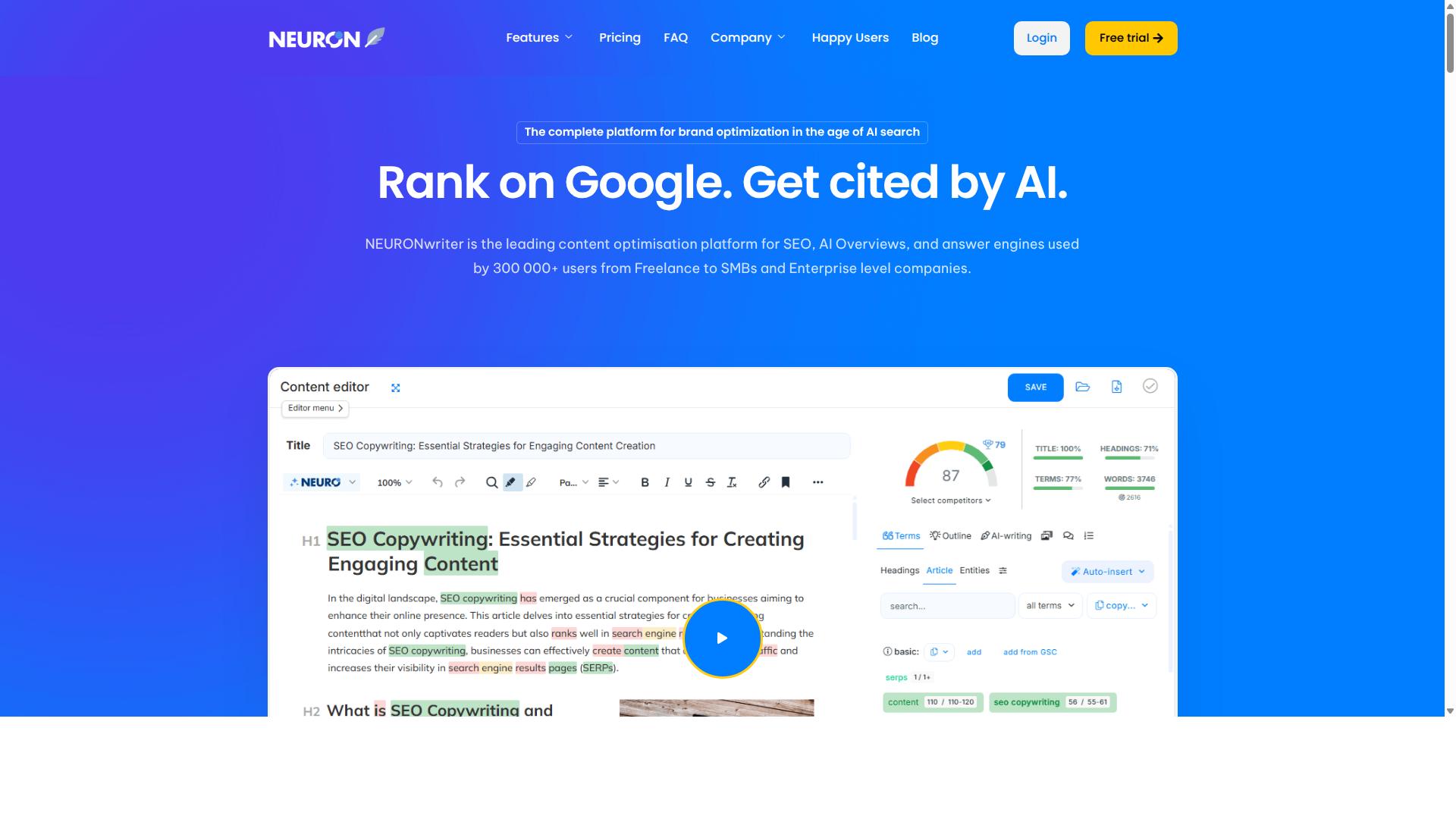
NeuronWriter combines keyword research with on-page content scoring and TF-IDF analysis. The platform pulls data from Google SERP analysis and applies natural language processing to generate keyword recommendations. Users typically begin an SEO content optimization project by entering their target keyword into the dashboard.
Next, the tool returns a content score target based on top ranking pages. This score guides writers toward the optimal length, structure, and keyword placement that search engines appear to favor. The score updates dynamically as content changes.
After receiving the target, writers move into the live editor. The interface highlights recommendations in real time with color-coded suggestions for keyword usage and topical relevance. Editors can adjust text while watching the content score rise or fall.
These live edits help users address gaps in semantic SEO without leaving the writing interface. The highlighted feedback includes recommendations for entity optimization and related terms pulled from competitor analysis. Writers see exactly which sections need more depth or clarity.
Many users test the free trial to gauge whether NeuronWriter fits their monthly article output. The trial lets writers compare how many pieces they can optimize before hitting limits. This assessment helps determine if the platform supports consistent SEO workflow demands within their production schedule.
6. Koala Writer
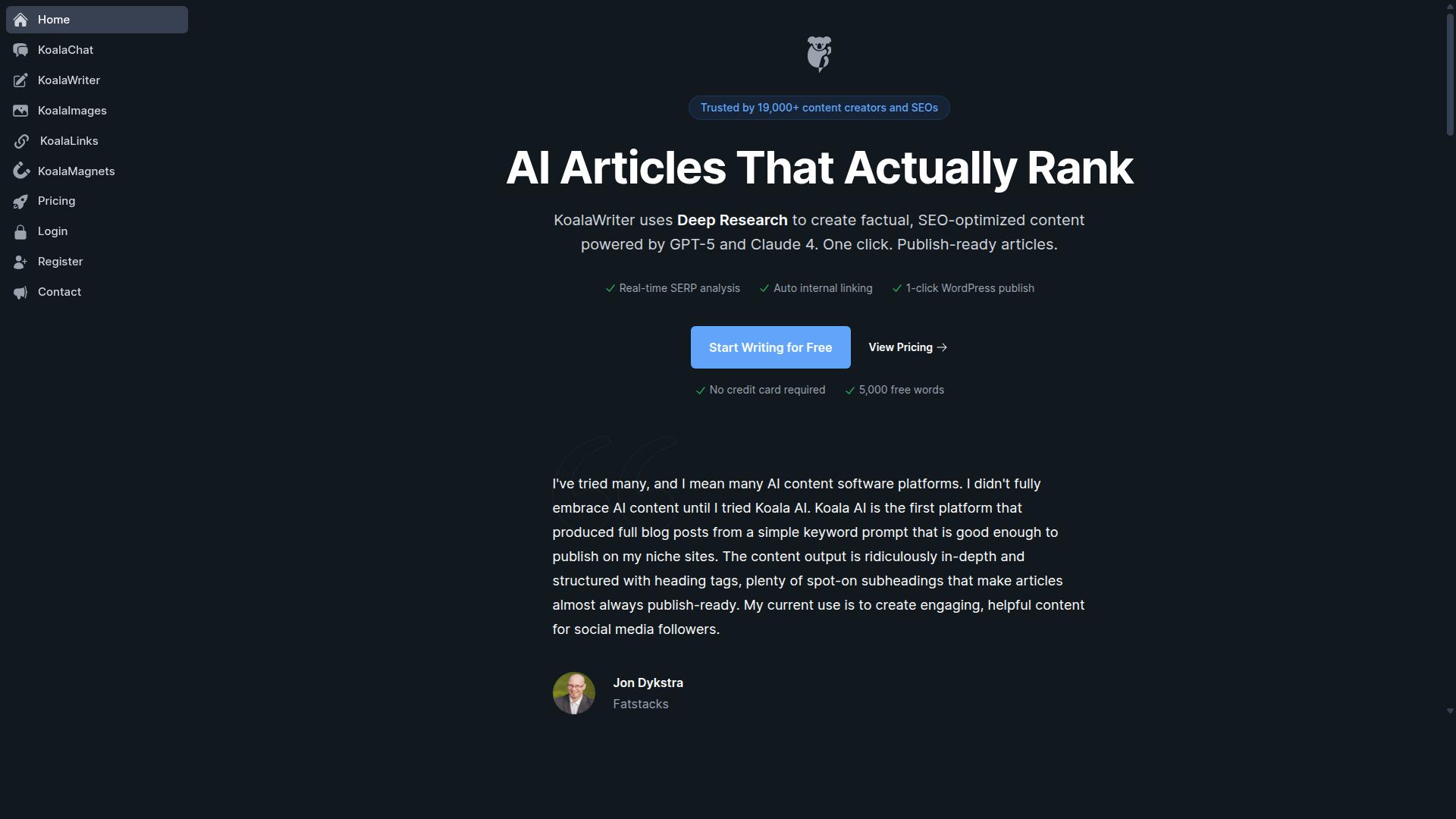
Koala Writer generates full articles from prompts and supports SERP-based research for each prompt. This AI writing tool builds content from initial ideas using real search data. Users supply a topic and receive structured drafts ready for review.
The prompt-to-article flow starts with a keyword or brief description. The platform pulls current search results and creates an outline. Writers can refine sections before the tool expands them into complete text.
Citation insertion happens automatically during generation. The system pulls facts from SERP data and adds references inline. Users check sources directly in the editor and remove any that do not fit their needs.
Export formats include WordPress auto-publishing, direct copy to HTML, and standard document downloads. These options fit different workflows for bloggers and agencies that publish across multiple sites.
Users who produce high volumes should check current plan caps before committing. The Professional tier offers unlimited articles while lower tiers limit monthly output. Enterprise plans add team features for larger operations.
How to Choose the Right Option
First sentence matches platform features to team size, monthly article volume, and required integrations. Bloggers who publish 10 articles each month typically select lower credit tiers that match their output needs. Agencies producing 100 or more articles require bulk credit packages with WordPress sync capabilities.
Autoblogging.ai offers concrete benchmarks through its tier structure. The Starter plan includes 40 credits while the Premium plan provides 1,000 credits. These options serve different segments of the target audience including bloggers, website owners, SEO professionals, marketing agencies, content creators, and affiliate marketers.
Personal sites and affiliate projects often begin with smaller credit amounts. Client websites and portfolio sites may demand higher volumes with automated publishing features. Parasite SEO and local sites benefit from flexible scaling as content needs grow.
WordPress sync becomes essential when content must publish directly to multiple client domains. Teams managing several websites need bulk credit options that support consistent output. Research suggests matching credit allocation to actual publishing frequency prevents wasted resources.
Content creators working on affiliate sites prioritize platforms that handle semantic SEO requirements efficiently. Marketing agencies evaluate how well each tool integrates with existing SEO workflows and content calendars. The right choice depends on whether the project requires topic clusters, pillar pages, or simple article generation.
Final Verdict
Autoblogging.ai delivers the strongest combination of SERP analysis, bulk output, and WordPress automation for most SEO content teams. Teams seeking reliable scale often choose it over other options when they need consistent publishing without manual handoffs.
Autoblogging.ai supports 40,000 plus creators who rely on the platform for daily production. The 4.9 rating reflects consistent performance across different content types and publication schedules.
The platform handles 35 plus languages, which helps global teams maintain quality without switching tools. Weekly feature releases keep the service aligned with current ranking factors and search engine updates.
Support runs around the clock, so questions receive attention regardless of time zone. Users in India can reach the team at 501, Trinity Orion, Vesu, Surat 395007, Gujarat, India, or by phone and WhatsApp at plus 91 84605 06553.
Additional contact options include the United Kingdom office at 2nd Flr, SEO Content Suite, 35 Water Ln, Wilmslow, Cheshire SK9 5AR, reachable at plus 44 1625 359056. Email contact goes to vaibhav at autoblogging.ai, and Skype handles are available at vibes.yb during business hours from 7:00 to 19:00 IST.
Frequently Asked Questions
What makes Autoblogging.ai a strong choice for SEO content creation?
Autoblogging.ai stands out with 10+ AI modes including Godlike Mode for SERP competitor analysis and LSI keywords, plus bulk generation of up to 500 articles. It has earned a 4.9 average rating from 40,000+ content creators who have generated over 1 million articles. These capabilities help users save time while targeting SEO needs across personal sites, affiliate projects, and client work.
How does Autoblogging.ai handle bulk or large-scale content needs?
Autoblogging.ai offers Bulk Generation mode that processes up to 500 articles via CSV upload, alongside Quick Mode and News Mode for faster workflows. Credits rollover across plans, and a human proofreader is included in select options to maintain quality. This setup supports agencies and website owners managing high-volume SEO content without manual repetition.
Does Autoblogging.ai work well for SEO professionals and marketing agencies?
Autoblogging.ai serves SEO professionals, marketing agencies, affiliate marketers, and content creators with 35+ integrations and support for parasite SEO, affiliate sites, and local projects. Its Godlike Mode extracts knowledge graphs and analyzes competitors directly from SERPs. Users like those from GoldieAgency and FatRank have highlighted its role in scaling content efficiently.
What language and integration options does Autoblogging.ai provide?
Autoblogging.ai supports 35+ languages and connects with 35+ integrations to fit existing SEO and publishing tools. The platform is available worldwide as an online SaaS, making it accessible for global teams. Weekly feature updates keep the tool aligned with evolving content needs.
How do Autoblogging.ai pricing plans compare for different user levels?
Autoblogging.ai offers monthly plans starting at $19 for 40 credits and scaling to $999 for 5,000 credits, with annual options that include discounts and rollover credits. This range accommodates individual bloggers through enterprise agencies. Plans emphasize flexibility without requiring long-term commitments upfront.
What support and reliability features come with Autoblogging.ai?
Autoblogging.ai provides 24/7 support and a 4.9 rating backed by testimonials from users managing large subscriber bases and SEO campaigns. The service has generated over 1 million articles since its 2022 launch and ships new features weekly. This combination helps maintain consistent output for ongoing SEO strategies.
Recommended Resources: